

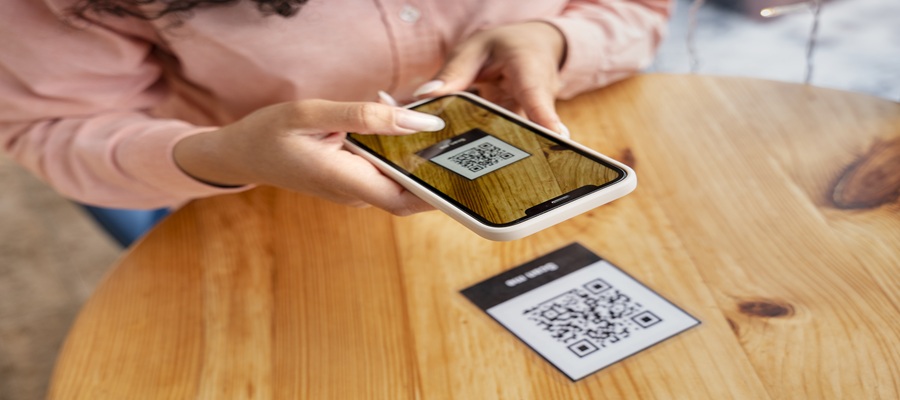
The Invisible Trap: Why Scanning a QR Code Could Empty Your Bank Account
(2026 Awareness Guide)
In the digital landscape of 2026, where a quick scan can pay for anything from a roadside cutting chai to a luxury apartment, The Invisible Trap: Why Scanning a QR Code Could Empty Your Bank Account have become a reality for thousands of unsuspecting Indians? We live in an era where the “Quick Response” (QR) code is the heartbeat of our economy, yet this very convenience is being weaponized by cybercriminals.
QR code scams are no longer just a technical glitch; they are sophisticated psychological traps designed to exploit our trust and speed. Whether you are a student in Bengaluru, a professional in Mumbai, or a senior citizen in Delhi, understanding how these digital puzzles are manipulated is the first step toward safeguarding your hard-earned money.
The Story of Ramesh: A ₹50,000 Lesson in “Receiving” Money
Ramesh, a retired bank manager from Pune. Ramesh is tech-savvy; he uses WhatsApp, watches YouTube, and pays his electricity bills online. Last month, he decided to sell an old treadmill on an online marketplace.
Within an hour, a “buyer” named Rahul messaged him. Rahul didn’t negotiate. “Sir, I’m buying this for my gym. I’ll pay the full ₹15,000 right now. I’m sending a QR code. Just scan it, and the money will be credited to your account instantly,” Rahul said.
Ramesh saw the QR code on WhatsApp. It had a professional-looking “GPay Official” logo. He scanned it, saw a “Pay” button, and entered his UPI PIN, thinking he was authenticating the receipt of funds. Within seconds, his phone buzzed—not with a credit alert, but with a message: “₹15,000 debited from your account.” Panicked, Ramesh called Rahul, who said, “Oh, there was a technical error. Let me send a ‘Refund QR’ for ₹30,000 to fix it.”
In his desperation to get his money back, Ramesh scanned again. By the time he realized the trap, he had lost ₹45,000. This is the heart of data security failures in the modern age: the scammer didn’t hack Ramesh’s bank; they hacked Ramesh’s trust.
Moral of the Story: NEVER scan a QR code or enter a UPI PIN to receive money.
What Is a QR Code Scam?
A QR Code Scam (often called “Quishing” or QR-Phishing) is a form of Cyber Fraud where attackers use deceptive QR codes to trick users into visiting malicious websites, downloading malware, or—most commonly in India—authorizing unauthorized UPI payments.
Technically, a QR code is just a visual representation of data (like a URL or a UPI string). The danger lies in the fact that the human eye cannot “read” the destination of a QR code. You don’t know if that black-and-white square leads to a restaurant menu or a Cyber Threat that clones your login credentials. In the context of India’s UPI ecosystem, scammers exploit a fundamental misunderstanding: many people believe they need to scan a code to receive money, which is never the case.
How Fake QR Code Scams Work?
The mechanics of these Cyber Crimes are deceptively simple:
- Generation: Scammers use free online tools to create a QR code linked to their own UPI ID or a phishing website.
- The Bait: They use social engineering—offers of “cashback,” “refunds,” “lottery wins,” or posing as buyers on platforms like OLX and Facebook Marketplace.
- The Trigger: You scan the code. Your phone interprets the data. If it’s a payment link, it opens your UPI app (PhonePe, GPay, Paytm) with a pre-filled amount and the scammer’s VPA (Virtual Payment Address).
- The Execution: You enter your UPI PIN. This is the “digital signature” that authorizes your bank to move money out of your account.
Common Scams Involving QR Codes
- The “Receive Money” Trap: The most common scam in India. Scammers convince you that scanning a code is necessary to get paid.
- Overlay Fraud: Criminals paste a fake QR sticker over a legitimate one at a petrol pump or a local Kirana Your payment goes to the thief instead of the merchant.
- The Utility Bill Scam: You receive a fake SMS or physical flyer claiming your electricity or water bill is overdue, with a “Scan to Pay” QR code to avoid disconnection.
- Quishing (Phishing via QR): An email or WhatsApp message asks you to scan a code to “verify your KYC” or “update your Aadhaar.” It leads to a fake website that steals your Data Security
Some Real-Life QR Code Scam Examples in India
India’s rapid digital growth has made it a prime target for Cyber Threats.
- The “Chandni Chowk” Incident (2025): A trader in Delhi lost over ₹1.4 lakh when a scammer sent a manipulated QR code via WhatsApp for an “advance payment” on wedding outfits. The scammer used AI tools to ensure the shopkeeper’s name appeared correctly on the scan screen, even though the money was rerouted.
- The Bengaluru “Washing Machine” Case: A professor attempting to sell a washing machine lost ₹63,000. The scammer sent “test” QR codes of ₹1 and ₹5 (which actually credited money to the professor) to build trust, before sending the big “Reverse” QR code.
- The Parking Lot Trap: In Mumbai, several drivers found “fine” notices on their windshields with QR codes for “instant payment.” These were fake stickers leading to a scammer’s wallet.
Red Flags to Spot a Fake QR Code
- Physical Tampering: Look at the QR code at a shop. Is it a sticker pasted over the original? Does the edges look peeled?
- The “Receive” Myth: If anyone tells you to scan a code or enter a PIN to receive money, it is 100% a scam.
- Mismatched Names: When you scan, the name displayed in your UPI app should exactly match the person or shop you are dealing with.
- Sense of Urgency: “Scan now or your account will be blocked!” High-pressure tactics are a hallmark of Cyber Frauds.
- Unusual URLs: If the scan takes you to a website, check the URL. If it says secure-gpay-receive.net instead of com, close it immediately.
What to Do if You Scan a Malicious QR Code
- Do Not Enter Your PIN: If you’ve scanned it but haven’t entered the PIN, you are likely still safe. Close the app.
- Disconnect Internet: If you suspect malware was downloaded, turn off Wi-Fi and Mobile Data.
- Check Your App Permissions: Go to settings and see if any new app has gained access to your camera, contacts, or SMS.
- Report to 1930: Call the National Cyber Crime Helpline immediately. Every minute counts in freezing the scammer’s bank account.
How to Stay Safe from QR Code Scams?
- The Golden Rule: You NEVER need to scan a QR code or enter a UPI PIN to receive money.
- Use In-App Scanners: Use the scanner built into GPay or PhonePe rather than your phone’s default camera. These apps have built-in security layers to detect known fraudulent IDs.
- Enable Biometrics: Use fingerprint or face ID for payment approvals. It adds a “pause” that can save you from a hasty mistake.
- Verify the Merchant: At shops, always ask the owner, “Is this your official QR?” after you scan and see the name.
- Limit “Gallery” Scanning: Be extremely cautious about scanning QR codes sent as images on WhatsApp. These are the most common vehicles for remote Cyber Threats.
Final Thoughts: Building a Resilient Digital India
As we navigate the complexities of 2026, our digital safety depends on a shift from “convenience-first” to “security-first” thinking. The Invisible Trap: Why Scanning a QR Code Could Empty Your Bank Account is a reminder that while technology evolves, the psychology of greed remains the same. The Reserve Bank of India (RBI) has implemented stricter Data Security guidelines, but no regulation can replace the “human firewall” of an informed citizen.
Stay curious, stay cautious, and remember that in the world of UPI, a few seconds of verification is worth more than a lifetime of regret. Share this guide with your parents, your local vendors, and your friends. Let’s make India’s digital journey not just the fastest, but the safest in the world. Your awareness is the ultimate shield against Cyber Crimes.
Frequently Asked Questions (FAQs)
Is it safe to share the QR code of Google Pay?
Yes, sharing your own “Receive Money” QR code is generally safe. It only contains your VPA (like yourname@okaxis). However, never share screenshots of your transaction history or your profile settings, as these can be used for social engineering.
Is it safe to share a QR code to receive money?
Sharing your QR code to get paid is safe. But if someone sends you a QR code and says “Scan this to receive money,” it is a scam. You share yours; you don’t scan theirs to get paid.
Can I share my QR code with someone?
Yes, you can share your static QR code (the one you download from your UPI app) with friends or customers so they can pay you. It is essentially like sharing your bank account number.
Leave a Reply