
Phishing Scams in India: Spot, Stop & Stay Safe”
India’s rapid digital transformation has made life easier than ever. From UPI payments and online banking to government portals, mobile apps, and e-commerce platforms, almost everything is now just a tap away. But as more Indians move online, cybercriminals are moving faster too. One of the most dangerous and widespread online threats today is phishing.
Every day, thousands of Indians receive fake bank messages, suspicious WhatsApp links, and fraudulent emails claiming to be from trusted organizations like SBI, Aadhaar, Income Tax, or popular shopping apps. These messages often create panic — “Your account will be blocked”, “KYC update required”, or “You have won a reward” — pushing people to click without thinking. That single click is often all a scammer needs.
Phishing scams are not limited to tech-savvy hackers sitting behind computers. They target regular people — students, working professionals, homemakers, small business owners, and even senior citizens. What makes phishing so dangerous is that it does not attack your device directly; instead, it attacks your trust.
With India becoming one of the world’s largest digital economies, the risk of online fraud is rising at an alarming rate. Cybercriminals now use advanced techniques like fake websites, QR codes, cloned mobile apps, and even artificial intelligence to make their scams look genuine.
This article, “Phishing Scams in India: Spot, Stop & Stay Safe,” is designed to help you understand what phishing really is, how it works, why it is increasing in India, and most importantly — how you can protect yourself, your family, and your organization from becoming a victim.
By the end of this guide, you will be able to recognize phishing attempts, avoid common traps, and take the right action if you ever face one. Staying informed is your first and strongest line of defense in today’s digital India.
What Is Phishing?
Phishing is a type of cybercrime where attackers trick people into revealing sensitive information such as passwords, OTPs, debit/credit card details, UPI PINs, or login credentials. The attacker usually pretends to be a trusted entity—like a bank, government department, courier service, or well-known brand.
Unlike hacking that targets systems directly, phishing targets human psychology. It relies on fear, urgency, curiosity, or greed to make victims act quickly without thinking.
Simple example:
You receive an SMS saying, “Your bank account will be blocked today. Click here to update KYC.” The link looks genuine but leads to a fake website designed to steal your details.
History of Phishing
The concept of phishing is not new. It originated in the mid-1990s when early internet users were tricked into sharing AOL login credentials. Over time, phishing evolved along with technology.
Evolution timeline:
- 1990s: Email-based phishing targeting dial-up internet users
- 2000s: Fake PayPal and eBay emails
- 2010–2015: Banking and social media phishing
- 2016–2020: Mobile phishing via SMS and fake apps
- 2021 onwards: UPI frauds, WhatsApp phishing, QR-code scams, and AI-powered phishing
In India, phishing gained momentum with the rise of online banking, Aadhaar-linked services, and digital payment platforms.
Types of Phishing (With Examples)
Phishing comes in many forms. Understanding these types helps you stay alert.
- Email Phishing: This is the most common form. Attackers send emails pretending to be banks, e-commerce platforms, or employers. Example: An email claiming to be from “Income Tax Department” asking users to verify PAN details for a refund.
- SMS Phishing (Smishing): Fraudulent messages sent via SMS, often containing shortened links. Example: “Your Bank account is suspended. Click immediately to reactivate.”
- Voice Phishing (Vishing): Fraudsters call victims pretending to be bank officials, police officers, or telecom providers. Example:A caller claims your Aadhaar is linked to illegal activities and demands verification details.
- WhatsApp & Social Media Phishing: Messages sent via WhatsApp, Facebook, Instagram, or Telegram. Example: “Congratulations! You’ve won ₹25,000. Click this link to claim your reward.”
- Clone Phishing: A legitimate email is copied and resent with a malicious link or attachment. Example: A fake resend of an office HR email containing a “salary slip” attachment.
- Spear Phishing: Highly targeted phishing aimed at specific individuals or organizations. Example: An email crafted specifically for a bank officer using their name and designation.
- QR Code Phishing: Fake QR codes redirect users to malicious websites or payment requests. Example: QR codes pasted over original ones at parking or retail outlets.
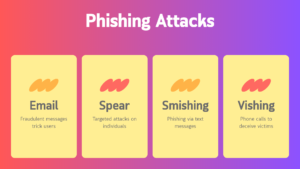
Phishing Attack Vectors
Attack vectors refer to the methods used to deliver phishing attacks.
Common vectors include:
- Email attachments and links
- SMS with shortened URLs
- Fake mobile applications
- Social media direct messages
- Search engine ads linking to fake websites
- Compromised websites hosting malicious pages
With increased smartphone usage in India, mobile-based vectors have become the most dangerous.
Risk Factors for Phishing Infections
Certain behaviors and conditions increase phishing risk:
- Low cybersecurity awareness
- Excessive trust in digital messages
- Poor password practices
- Using public Wi-Fi for banking
- Lack of two-factor authentication
- Clicking links without verification
- Downloading apps from unofficial sources
Senior citizens, first-time internet users, and small businesses are often the most vulnerable.
Signs That You May Be a Victim of Phishing
Phishing does not always show immediate damage. Watch for these warning signs:
- Unexpected OTP requests
- Unauthorized bank transactions
- Passwords suddenly not working
- Emails sent from your account without your knowledge
- Pop-ups asking for sensitive data
- Unknown apps installed on your phone
Early detection can reduce damage significantly.
Impact of Phishing on Individuals and Organizations
On Individuals
- Financial loss
- Identity theft
- Emotional stress and anxiety
- Loss of trust in digital platforms
On Organizations
- Data breaches
- Regulatory penalties
- Loss of customer trust
- Reputational damage
- Operational disruptions
In India, phishing attacks have affected banks, educational institutions, healthcare providers, and even government offices.
How Can We Stop Phishing? (Prevention & Incident Response)
Prevention Measures
- Never click unknown links
- Verify sender details carefully
- Avoid sharing OTPs and PINs
- Use strong, unique passwords
- Enable multi-factor authentication
- Keep devices updated
- Install apps only from official stores
Incident Response Steps
If you suspect phishing:
- Disconnect from the internet
- Change compromised passwords
- Inform your bank immediately
- Report to cybercrime portal (cybercrime.gov.in)
- Scan your device with security software
Quick response can prevent further damage.
Phishing and Latest Cybersecurity Technologies
Modern cybersecurity tools are fighting phishing more effectively than ever:
- AI-based email filtering to detect malicious patterns
- Machine learning to identify suspicious behavior
- Browser security warnings for fake websites
- DMARC, SPF, DKIM email authentication standards
- Zero Trust Security models
Indian banks and fintech platforms are increasingly adopting these technologies.
Countermeasures for Phishing
Strong countermeasures include:
- Regular cybersecurity awareness training
- Email and SMS filtering solutions
- Secure authentication mechanisms
- Continuous monitoring and logging
- Cyber hygiene campaigns
- Clear incident reporting channels
Frequently Asked Questions (FAQs)
- Is phishing a punishable crime in India?
Yes. Phishing is punishable under the IT Act, 2000, and related IPC sections.
- Can antivirus software stop phishing?
It helps, but user awareness is equally important.
- Are UPI scams considered phishing?
Yes, many UPI frauds involve phishing techniques.
- What should I do if I shared my OTP?
Contact your bank immediately and block your account.
- How can senior citizens avoid phishing?
By avoiding unknown calls, links, and seeking help before sharing information.
Final Thoughts
Phishing is not just a technical issue—it is a human problem. As India continues its digital growth journey, awareness is the strongest shield against cyber fraud. By staying informed, cautious, and proactive, individuals and organizations can significantly reduce phishing risks.
Cybersecurity is everyone’s responsibility. Think before you click, verify before you trust, and stay cyber-safe.