

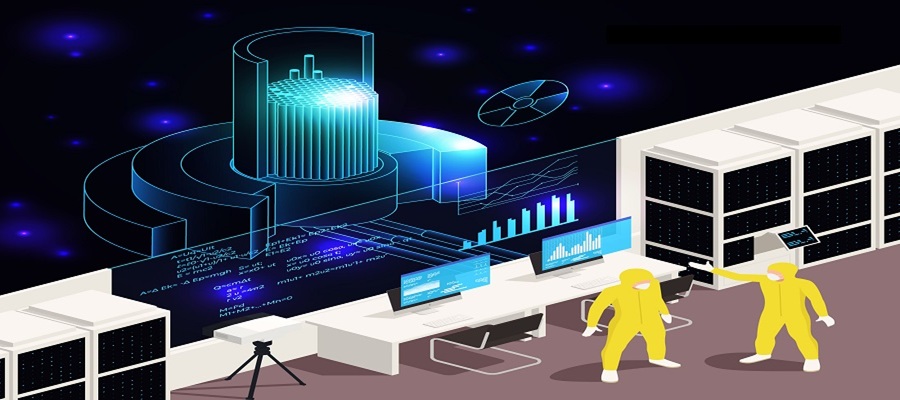
Data Centres in Space: How the Cloud Is Leaving Earth
Every time you send a WhatsApp message, watch a YouTube video, or log in to your bank’s app, somewhere in the world a data centre is working quietly in the background. These huge buildings filled with servers have become the heart of our digital lives. But there’s a growing problem—our planet is struggling to support them.
As data demand explodes, the energy, water, and land used by data centres are putting serious pressure on Earth’s ecosystem. This is why scientists and tech companies are now looking beyond the sky. The idea of data centres in space may sound futuristic, but it could soon become the most practical and sustainable way to power the digital world.
Let’s understand why Earth is reaching its limits, and how space could become the next home for the cloud.
What Is a Data Centre in Space?
A data centre in space is a facility placed in orbit around Earth that stores, processes, and transmits digital information. Just like data centres on Earth, it contains servers, storage systems, and networking equipment. The only difference is its location—it operates hundreds of kilometres above the planet, powered by the sun and cooled by the natural cold of space.
These data centres can be placed in:
- Low Earth Orbit (LEO)
- Geostationary Orbit (GEO)
- Future space stations or orbital platforms
They are designed to support cloud computing, artificial intelligence, satellite networks, and even space missions. In simple words, it is cloud computing beyond Earth.
How Today’s Data Centres Are Hurting Earth
Before understanding why space data centres are needed, we must look at what is happening on Earth.
The global demand for data is growing faster than ever. Social media, online banking, cloud storage, AI, and streaming services are all pushing data centres to expand rapidly. This growth comes with a heavy environmental cost.
- Massive Electricity Consumption
Modern data centres use an enormous amount of power. Some large facilities consume as much electricity as a small city. Most of this power still comes from fossil fuels, which leads to:
- High carbon emissions
- Increased air pollution
- More climate change
As more digital services are created, energy demand keeps rising.
- Water Shortage
Data centres need constant cooling. Many of them use water-based cooling systems that consume millions of litres every year. In countries like India, where water is already scarce in many regions, this is becoming a serious issue.
Villages and towns near large data centres often face:
- Lower groundwater levels
- Reduced water availability for farming
- Stress on local communities
- Heat and Urban Pressure
Data centres generate huge amounts of heat. When built near cities, they increase local temperatures and put pressure on power grids and infrastructure. They also require large areas of land, which leads to deforestation and loss of natural habitats.
- E-Waste and Pollution
Servers don’t last forever. When data centre hardware is replaced, it creates electronic waste. If not recycled properly, this waste releases harmful chemicals into soil and water.
Because of all this, experts now agree that the traditional model of building more and more data centres on Earth is not sustainable.
Why Move Data Centres to Space?
Space offers something that Earth is running out of—clean energy, cooling, and unlimited room. Here’s why moving data centres into space makes sense.
- Endless Solar Power
In space, the sun shines almost all the time. Solar panels in orbit receive far stronger sunlight than on Earth. This allows space data centres to run on clean, renewable energy without relying on coal or gas.
This means:
- Zero carbon emissions
- No fuel costs
- Sustainable computing
- Natural Cooling
One of the biggest challenges for data centres on Earth is cooling. In space, heat can be released directly into the cold vacuum. This removes the need for water, air conditioners, or cooling towers. This single benefit could save enormous amounts of energy and water.
- No Land or Environmental Damage
Space data centres don’t occupy land, cut trees, or disturb wildlife. They float in orbit, leaving Earth’s ecosystems untouched.
- Higher Security
Data centres in space are extremely hard to physically access. This makes them safer from:
- Terrorist attacks
- Theft
- Political conflicts
- Natural disasters
For banks, governments, and defence organisations, this level of security is priceless.
How Do Space Data Centres Work?
Space data centres are built to operate almost completely on their own.
They use:
- Solar panels for power
- Radiators to release heat into space
- AI systems to monitor and manage operations
- Laser and satellite links to send data to Earth
All maintenance, error detection, and workload balancing is handled by software, because sending people to fix things in space is not easy.
Who Is Developing Space Data Centres?
Several major players are already investing in this technology.
- Microsoft is researching sustainable data centre models, including space-based systems.
- European Space Agency (ESA) is studying orbital data centres powered by solar energy.
- China is developing space-based computing networks for AI and satellite data.
- Private companies like Lonestar Data Holdings and Axiom Space are testing space data storage.
This is no longer science fiction—it’s the next stage of cloud computing.
How Space Data Centres Will Help Earth
Moving even a portion of data centres into space can bring massive benefits to the planet.
- Less electricity demand on Earth
- Reduced carbon emissions
- No water usage for cooling
- Less land required for infrastructure
- Lower electronic waste
It allows the digital economy to grow without destroying the environment.
What Does This Mean for India?
India is becoming one of the world’s largest digital economies. With millions of users coming online every year, data demand is exploding.
Space-based data centres could help India by:
- Reducing pressure on local power and water resources
- Supporting Digital India initiatives
- Improving cybersecurity for banks and government systems
- Providing disaster-proof data storage
With ISRO and India’s IT sector working together, India could become a leader in this new space-cloud era.
The Future of Data Centres in Space
Within the next decade, we will likely see:
- Orbital data centres serving cloud platforms
- AI running in space using solar power
- Satellite-based internet connected directly to space servers
- Hybrid systems using both Earth and space data centres
The internet of the future will not be limited by the planet it runs on.
Final Thoughts
Today’s data centres are quietly damaging Earth’s ecosystem through energy use, water consumption, pollution, and land destruction. As the world becomes more digital, this problem will only grow.
Data centres in space offer a powerful and sustainable solution. By using solar energy, natural cooling, and orbital security, they allow the digital world to grow without harming the planet.
The future of the cloud is not just in the sky—it is in space. 🌍🚀
Leave a Reply