
Hey There, Let’s Talk Safety
Have you ever picked up your phone to a strange WhatsApp message or a call from someone claiming your bank account is about to be blocked? If your heart raced for a second, you’re not alone. I’m writing this today because we need to have a serious, heart-to-heart conversation about the 10 reasons why cyber frauds target senior citizens in India.
Look around you. Everything from booking a cab on Uber to sending “Good Morning” stickers to the family group involves the internet. It’s wonderful, isn’t it? But while you’re enjoying these digital comforts, there’s a shadowy world of scammers looking for an entry point. Why is cyber security so important in our daily lives? Because today, your phone is more than just a phone—it’s your wallet, your identity, and your connection to your loved ones.
I want you to feel empowered, not scared. My goal with this article is to sit down with you—digitally—and walk you through how these fraudsters think. Whether you are a senior citizen yourself, a student looking out for your grandparents, or a working professional worried about your parents back home, this guide is for you. Let’s peel back the curtain together and learn how to navigate the Indian digital space with confidence and a sharp eye.
Why Are Seniors in the Spotlight?
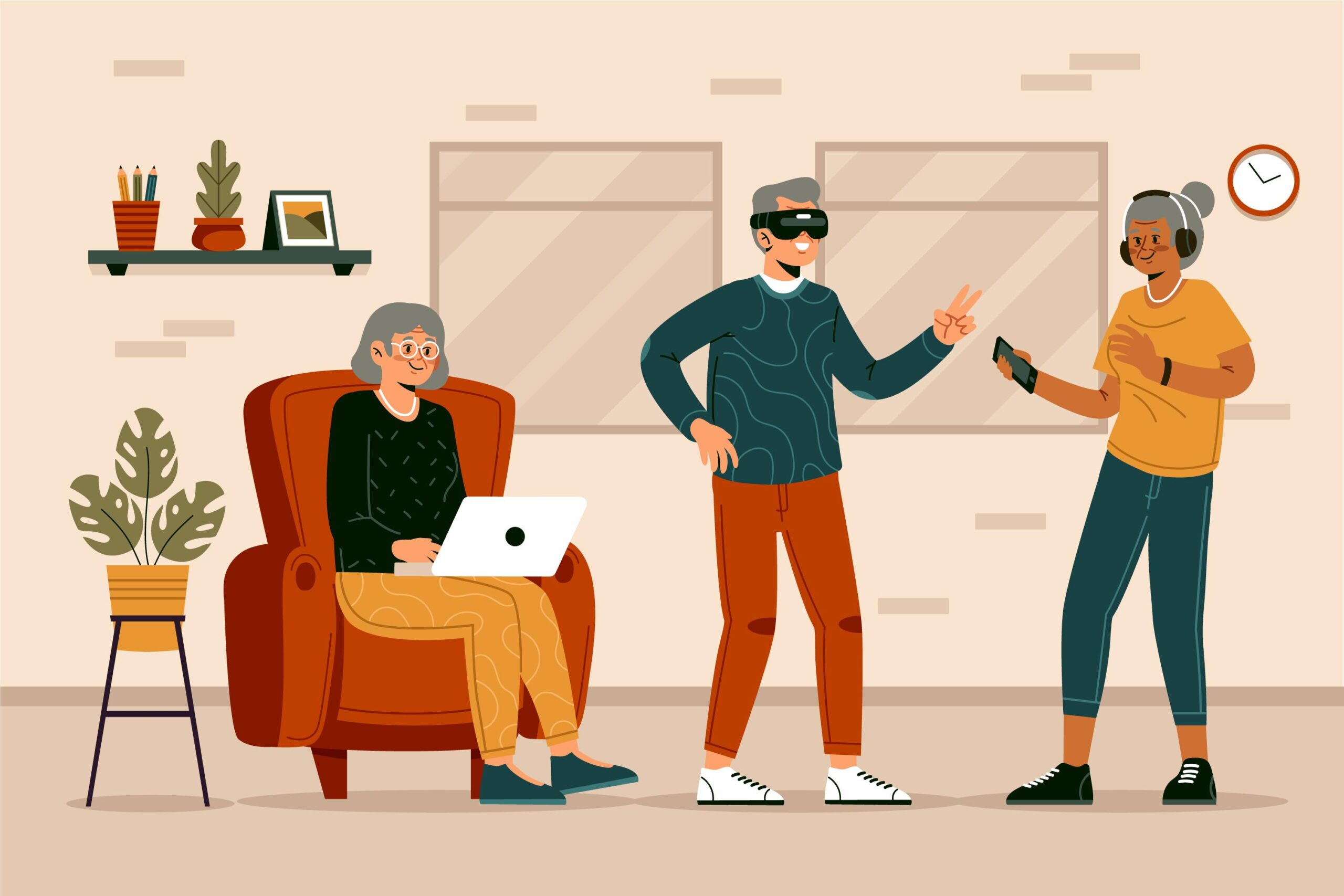
I often get asked, “Why us? Why don’t they go after the youngsters?” Well, the truth is, fraudsters are like predators looking for what they perceive as the “easiest” path. In India, our elders are currently the most vulnerable “digital migrants.” You didn’t grow up with a tablet in your hand; you grew up with paper passbooks and face-to-face trust. That beautiful, traditional trust is exactly what these digital thieves try to exploit.
The Deep Dive: 10 Reasons Why You (or Your Parents) Are Targeted
Let’s get into the “why.” If we understand their logic, we can beat them at their own game. Here are the 10 reasons why cyber frauds target senior citizens in India:
- The “Nest Egg” Factor: Let’s be honest—you’ve worked hard your whole life. You have your pension, PF, and savings. Scammers know that seniors often have more liquid cash than a 22-year-old just starting a job.
- The Technology Gap: You might be great at WhatsApp, but do you know how a “Remote Access” app works? Scammers bet on the fact that many seniors don’t know the technical “red flags.”
- Your Kindness is Weaponized: In India, we are taught to be polite to callers. Scammers use this. They know you’re less likely to just hang up on them compared to a busy, cynical teenager.
- The “Social Isolation” Trap: If your kids are in the US or Bangalore and you’re in a quiet home, a scammer offering “help” or even a friendly chat can be very disarming.
- Respect for Authority: If someone calls saying they are “Inspector Deshmukh” from the Crime Branch, your instinct is to cooperate. Scammers use fake badges and uniforms on video calls to terrify you into silence.
- Physical Vulnerabilities: Sometimes, it’s as simple as failing eyesight. A fake link might look exactly like “www.abcbank.com” when it actually says “www.abcb@nk.com.”
- The Fear of Being a Burden: I’ve seen many seniors try to fix a “blocked” account themselves without telling their kids, because they don’t want to bother them. This is when the scammer strikes.
- Cognitive Overload: Scammers speak fast. They use jargon. They try to confuse you until your brain gets tired and you just say, “Okay, tell me what to do.”
- Low Reporting Rates: Many elders feel ashamed if they lose money. They think, “My kids will think I’m losing my mind.” This silence is exactly what fraudsters count on.
- Triggers of “Fear and Greed”: Whether it’s a “KBC Lottery” win or an “Electricity Cut-off” threat, they target your emotions so your logic takes a back seat.
Scams You Might See on Your Phone Today
I want you to keep an eye out for these specific Indian scenarios. Have you seen any of these?
- The “Digital Arrest”: This is the scariest one right now. Someone calls on Skype/WhatsApp pretending to be police. They tell you not to hang up and stay in a room. Listen to me: No Indian police officer will ever “arrest” you over a video call.
- The Family Emergency: You get a call: “Dadi, I’m in trouble, I had an accident, don’t tell Mom, just send ₹20,000 to this number.” Always call your child’s known number first!
- The Electricity Scam: “Your bill is unpaid, power will be cut at 9 PM.” This is always a scam. Official departments don’t send WhatsApp messages with personal mobile numbers for payment.
Your Smartphone: A Shield or a Target?
Think of your smartphone as your digital home. You wouldn’t leave your front door wide open, right?
In India, we love apps. But did you know that apps like AnyDesk or TeamViewer are used by scammers to see your screen? If a stranger asks you to download any app to “verify” something, stop immediately. They can see your bank password as you type it. Also, remember: You NEVER need to enter your UPI PIN to receive money. If someone says “Scan this QR code to get your pension,” they are trying to rob you.
10 Pro-Tips to Keep Your Money Safe
I want you to promise me you’ll follow these steps. They are simple but life-saving:
- Wait and Breathe: If a call makes you panic, hang up. Sit for 2 minutes. The “emergency” is usually fake.
- The “Callback” Rule: Always call the official customer care number found on the back of your debit card—never the number that just called you.
- OTP is Sacred: Treat your OTP like your house keys. You wouldn’t give your keys to a stranger on the street, so don’t give your OTP to a voice on the phone.
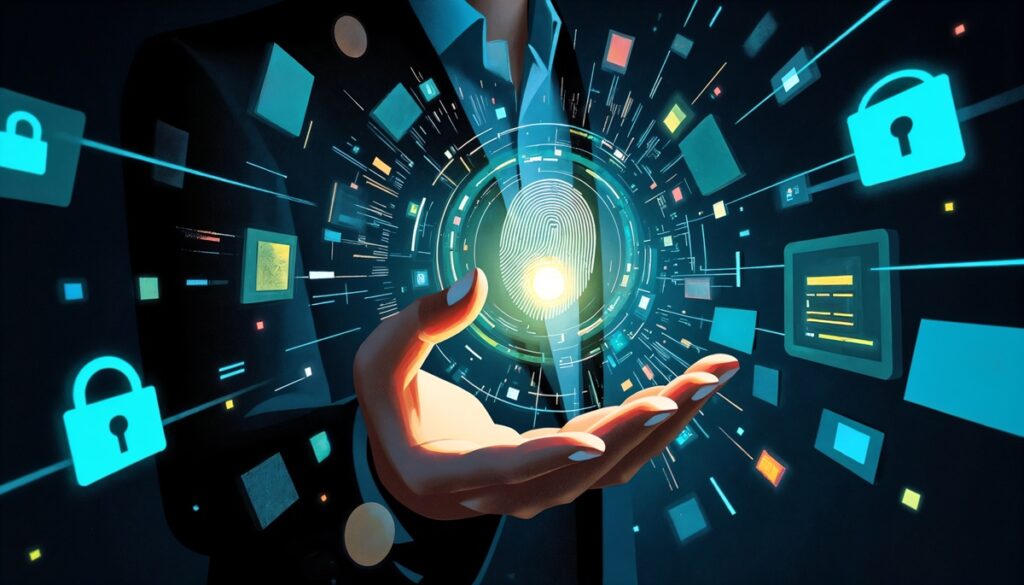
- Use “Biometric” Locks: Use your thumbprint to open your phone. It’s much harder for a thief to guess than your birthday (which they can find on Facebook!).
- Check the Link: Before clicking, look closely. Does it look professional? If it has spelling mistakes like “Bankk,” it’s a trap.
- Say No to Screen Sharing: Never, ever share your screen with a stranger, no matter how “helpful” they sound.
- Update Your Apps: When your phone asks to “Update,” say yes. It’s like putting a new, stronger lock on your door.
- Talk About It: Share this article with your friends at the park or during your morning walk. Discussion is your best defense.
- Limit Public Wi-Fi: Don’t check your bank balance at the railway station or airport Wi-Fi. Use your own mobile data.
- The “Check-in” Habit: Once a week, look at your bank SMS messages. If you see a transaction of even ₹2 that you didn’t do, tell your family or bank immediately.
The Golden Rules of the Internet
Here are 10 rules I want you to live by. Maybe even print these out!
- Rule 1: No bank asks for passwords or OTPs. Ever.
- Rule 2: “Free” is never free. Don’t click on “Free Gift” links.
- Rule 3: If a stranger calls, you don’t have to be “polite.” It’s okay to hang up.
- Rule 4: Only use the Google Play Store for apps. No “direct links.”
- Rule 5: If someone says “Don’t tell your family,” that is the biggest red flag. Tell them immediately.
- Rule 6: Your UPI PIN is only for giving money.
- Rule 7: Don’t accept “Friend Requests” from people you don’t know.
- Rule 8: Keep your Facebook profile private.
- Rule 9: Use a different password for your bank and your Facebook.
- Rule 10: If you get scammed, call 1930 immediately. There is no shame, only action.
Final Thoughts from My Heart to Yours
We’ve covered a lot today, haven’t we? From the 10 reasons why cyber frauds target senior citizens in India to the tiny habits that can keep you safe. I want you to know that the internet is a beautiful tool for staying connected with your family and the world. You shouldn’t have to live in fear of using it.
But being aware is like wearing a seatbelt. It doesn’t mean you expect an accident; it just means you’re prepared. You’ve spent a lifetime building your legacy and your savings; don’t let a 20-something scammer in a call center take that away from you in 20 seconds.
Be the “Digital Captain” of your own life. Stay skeptical, stay curious, and most importantly, stay in touch with your loved ones about these things. We are all in this together. If you found this helpful, please share it with one friend who might need to hear this today.
Leave a Reply